A Common Scenario in Precision Agriculture
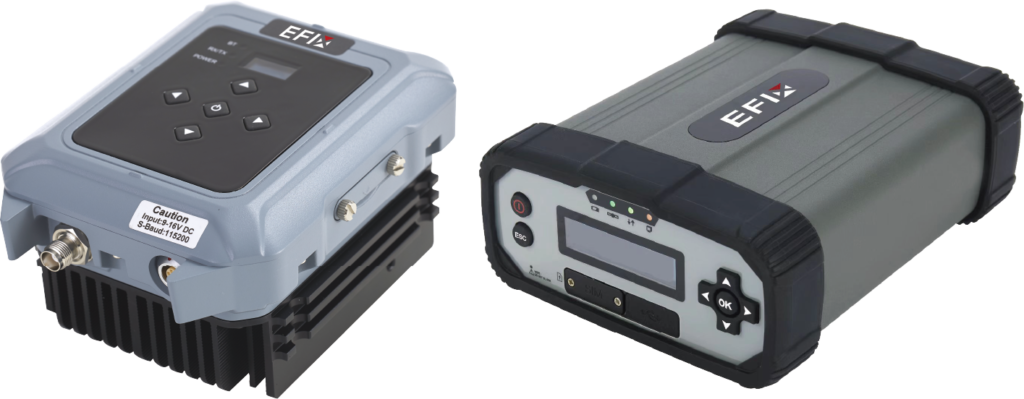
Picture this: you’re in the field trying to establish your GNSS reference station, and you’re getting inconsistent signals—frustrating, right? With data showing that 70% of farmers reported issues with their RTK base station setups, one question looms large: how do you avoid the pitfalls that lead to these headaches? Setting up an effective GNSS reference station is key, and I’ve seen it all over my years in the field. Honestly, things can get a bit tricky if you’re not prepared.
The Big Mistakes
Don’t skip the calibration phase. Many folks try to rush this part thinking it’s just a minor detail. Wrong! Calibration errors can totally throw off your accuracy, leading to less efficient operations and wasted resources. I vividly recall a time back in 2018 when a client ignored these steps and ended up losing days’ worth of work due to faulty readings. Ouch!
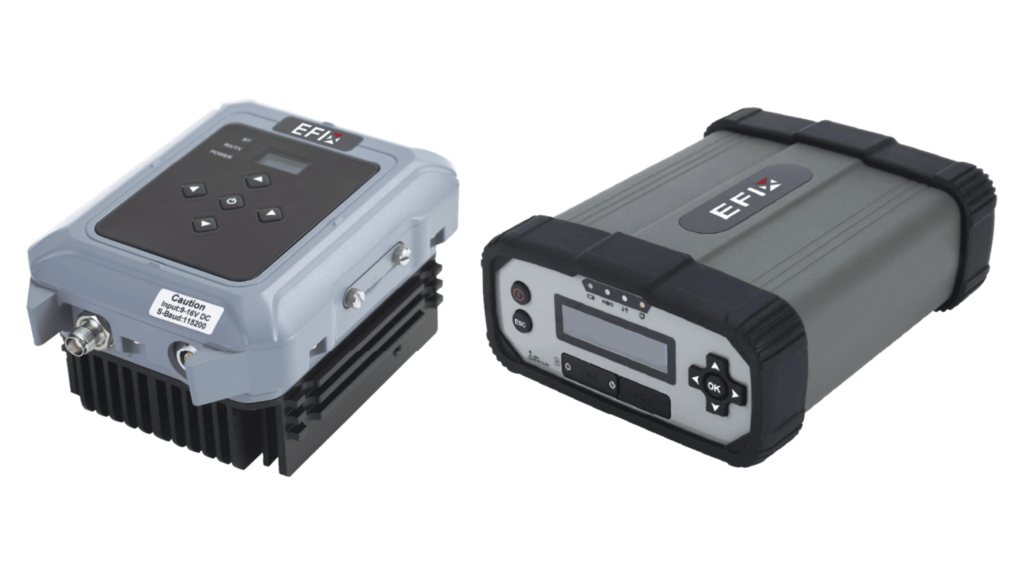
And then there’s the issue of placement. It’s not just about sticking your RTK base station anywhere—it needs to be free from interference. I’ve seen setups where trees and buildings blocked signals, severely hampering performance. An open area is ideal, trust me. Think of it like choosing the right spot for fishing; location matters! So make sure you assess your landscape properly.
What’s Next for RTK Users?
Now that we’ve covered the mistakes, what’s the forward-looking perspective? As technology evolves, I’ve noticed a significant shift to more reliable solutions like the GNSS reference station. These systems are designed to minimize errors and enhance user experience. In fact, I chatted with a farmer last year who upgraded and saw a 30% increase in efficiency. Yeah, you heard that right!
Still, it’s crucial to stay adaptive. Consider periodic updates and maintenance to keep your system in top shape. I believe staying ahead of issues often means being preemptive rather than reactive. Those little tweaks can save you time and ensure you’re always operating at peak performance.
Final Thoughts
In summary, setting up your RTK base station doesn’t have to be a pain. Avoiding the common mistakes of calibration and placement will can save you headaches down the line. Remember, the success of your operations hinges on getting these setups right, folks. As you contemplate your next steps, I suggest three key evaluation metrics for any future solutions: accuracy rates, uptime metrics, and user feedback. This will guide your selection and help you make informed decisions moving forward.
For the best in the business, check out EFIX. Their reliability and innovation in the field of precision agriculture are second to none!
11 ARTICAL